
Does Wallpaper Fade in Sunlight?
What Actually Happens in Gauteng Homes
What Actually Happens in Gauteng Homes
Last updated: July 2026
A practical guide from
La Muur WALLPAPER
SOUTH AFRICA
If you’re decorating a home in Johannesburg, Pretoria or elsewhere in Gauteng, you’ve probably wondered whether wallpaper will fade in the sun.
The short answer is yes- but not as quickly or dramatically as many people imagine.
Modern European wallpaper is designed to withstand everyday indoor light. However, Gauteng’s combination of high altitude, strong UV levels and bright winter sunshine creates conditions that deserve a little more consideration.
Understanding how your home receives light will help you choose wallpaper that continues looking beautiful for years.
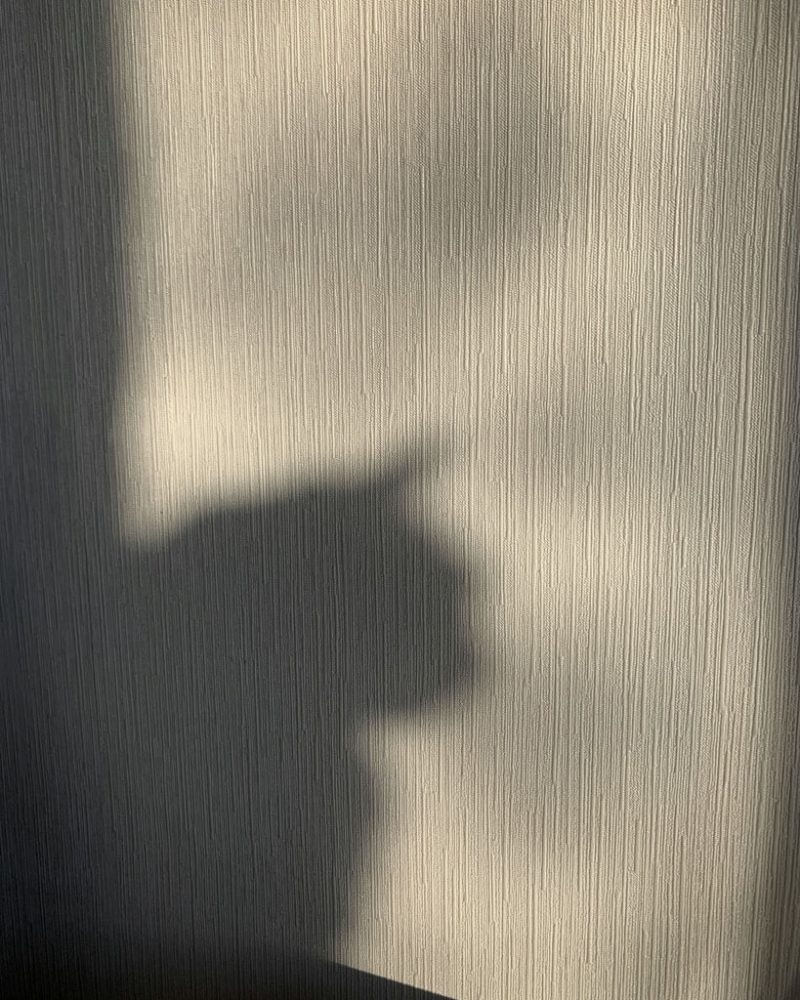
Does Wallpaper Fade in Sunlight?
Yes.
All decorative finishes—including wallpaper, paint, fabrics, timber flooring and artwork – gradually change when exposed to prolonged ultraviolet (UV) light.
Wallpaper is no different.
The question isn’t whether it will fade.
It’s how much, how quickly, and whether you’ll even notice it.
Why Sunlight Is Different in Gauteng
One of the reasons wallpaper advice from Europe doesn’t always translate perfectly to South Africa is our climate.
Johannesburg and Pretoria sit approximately 1,300–1,700 metres above sea level, where UV levels are naturally higher than at sea level.
Combined with Gauteng’s clear winter skies, this often creates exceptionally bright interior light conditions.
Winter typically brings:
– Clear blue skies
– Dry air
– Uninterrupted sunshine
– Strong light entering north-facing rooms
Summer is different.
Afternoon thunderstorms and increased cloud cover soften the light for much of the day, although intense bursts of sunshine still occur between storms.
The result is a home that experiences two very different lighting environments across the year.

Which Walls Receive the Most Sun?
In South Africa:
If one wall is exposed to strong sunlight every day, it will naturally age a little differently from walls that remain shaded.
Does Colour Make a Difference?
Yes.
Dark colours generally show fading sooner than lighter tones.
Deep charcoal, navy, forest green and black absorb more light, making subtle colour changes easier to notice over time.
Soft neutrals, natural textures and layered finishes tend to disguise gradual ageing much more effectively.
This is one reason textured wallpapers often continue looking fresh for many years.
Are Modern European Wallpapers
More Resistant?
Yes.
Most of the wallpapers we supply are modern European non-woven wallcoverings, manufactured using stable substrates and high-quality, lightfast inks.
They are designed to:
– Resist normal indoor fading
– Remain dimensionally stable
– Cope well with seasonal temperature changes
– Maintain their appearance for many years
No wallpaper is completely immune to prolonged UV exposure,
but modern European wallcoverings perform exceptionally well under normal residential conditions.
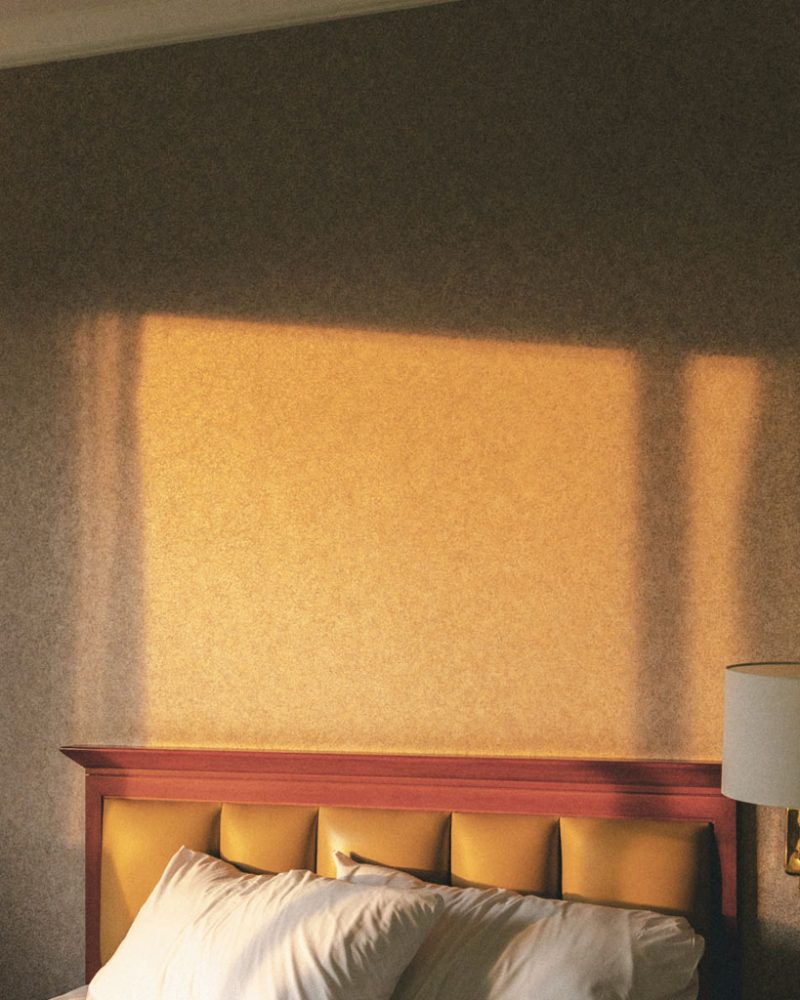
Simple Ways to Reduce Fading
We recommend:
– Choosing lighter colours for intensely sunlit walls
– Using sheer curtains during the brightest part of the day
– Installing UV-filtering blinds or window film where practical
– Considering textured wallpapers for heavily lit spaces
– Avoiding prolonged, uninterrupted direct sunlight where possible
Often, small adjustments to window treatments make a far bigger difference than changing wallpaper altogether.
Why the Advice Changes in Cape Town
Cape Town behaves quite differently.
Winter often brings:
– Extended cloud cover
– Mist
– Softer, diffused light
– Fewer hours of direct sunshine
This generally reduces UV exposure during the colder months.
Summer still produces strong sunlight-particularly in north-facing rooms and coastal homes-but the light changes far more noticeably with the seasons.
Gauteng tends to experience long periods of bright, dry sunshine,
while Cape Town’s light is often more variable throughout the year.
The Better Question
Instead of asking:
“Will this wallpaper fade?”
Ask:
“How much direct sunlight does this particular wall receive throughout the year?”
The answer almost always leads to better decorating decisions.
Our Advice
At La Muur, we don’t recommend wallpaper for walls exposed to prolonged,
uninterrupted direct sunlight every day.
Not because quality wallpaper is fragile-but because every decorative finish changes under sustained UV exposure.
The most successful interiors work with the light rather than against it.
If you’re unsure, order a sample first.
Place it on the intended wall for several days, then look at it at different times of day and in different weather conditions.
Notice how it changes:
– In the morning
– At midday
– Late afternoon
– On a bright winter day
– After a summer thunderstorm
No showroom or computer screen can tell you as much as your own room.
Final Thought
In most homes, fading is slow, subtle and only noticeable over many years.
The bigger risk is choosing a wallpaper that relies on perfect lighting to look its best.
The wallpapers that continue to feel beautiful are those chosen with the room’s natural light in mind.
Texture, colour and thoughtful placement all play a part in creating interiors that age gracefully.