
Winter Moisture and Wallpaper
What Cape Town homeowners should know before hanging wallpaper
What Cape Town homeowners should know before hanging wallpaper
Last updated: August 2026
A practical guide from
La Muur WALLPAPER
SOUTH AFRICA
Cape Town has one of the most beautiful climates in South Africa – but it’s also one of the most demanding for homes.
Winter brings rain, cooler temperatures and higher humidity, particularly in older properties and homes close to the coast. It’s not unusual for windows to collect condensation overnight or for rooms to feel damp after several days of rain.
If you’re considering wallpaper, you may be wondering whether these conditions are something to worry about.
The good news is that modern European wallpaper performs exceptionally well in normal residential conditions.
The important question isn’t whether Cape Town has winter moisture.
It’s whether the wall itself is dry, sound and ready for wallpaper.
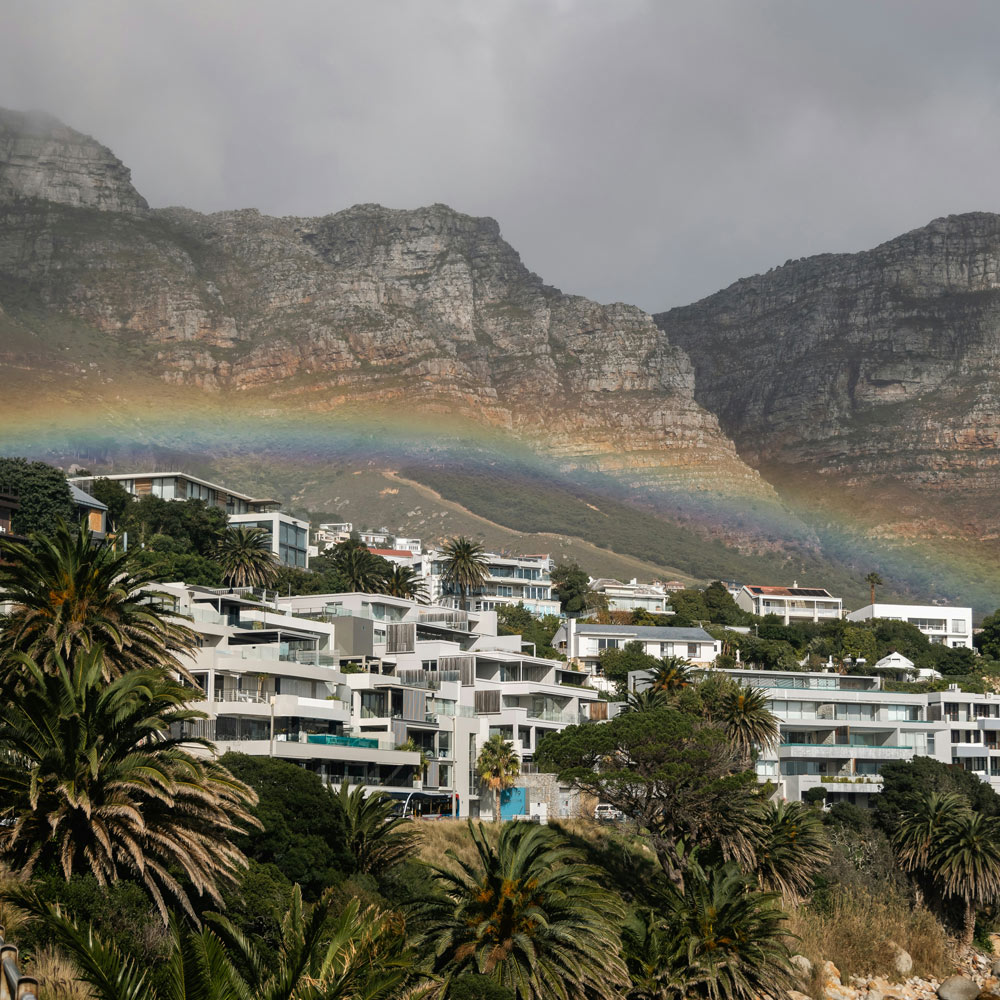
Does Winter Moisture affect wallpaper?
Yes – but probably not in the way most people think.
Winter moisture doesn’t damage wallpaper on its own. Modern European wallpapers are designed to perform well in everyday residential conditions, including cooler, more humid climates.
The real concern isn’t the wallpaper – it’s the condition of the wall underneath.
If a wall already has rising damp, a water leak, poor ventilation or trapped moisture, wallpaper won’t solve the problem.
Like paint or plaster, it will simply reflect the condition of the surface it’s applied to.
If, however, your walls are dry, sound and properly prepared, there’s no reason why quality wallpaper can’t perform beautifully in a Cape Town home for many years.
The key is making sure the wall is ready before the wallpaper goes up.
Why Cape Town Is Different
Unlike Gauteng’s dry winters, Cape Town experiences months of regular rainfall, changing temperatures and increased humidity.
Many homes also remain closed for longer during winter, reducing airflow and allowing moisture to linger indoors.
Older homes can be particularly affected, especially if they have:
– Poor ventilation
– Existing rising damp
– Water leaks
– Condensation around windows
– Solid masonry walls that dry slowly after heavy rain
These aren’t wallpaper problems.
They’re building problems that wallpaper should never be expected to hide.
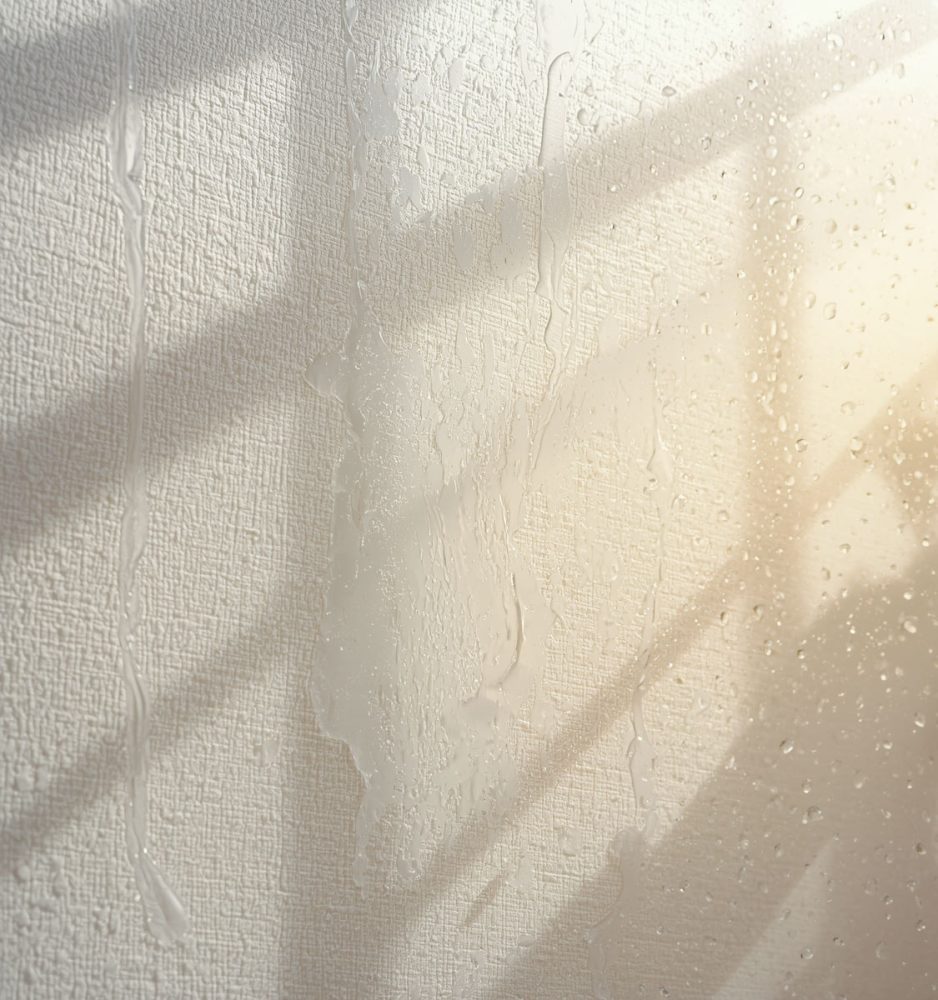
Wallpaper Doesn’t Cause Damp
This is one of the biggest misconceptions we hear.
Wallpaper doesn’t create moisture behind the wall.
If damp appears after wallpaper has been installed, there was almost always an underlying issue already present, even if it wasn’t immediately visible.
Leaks, failed waterproofing, rising damp and poor ventilation all allow moisture to move through a wall.
No decorative finish – whether wallpaper, paint or plaster – can solve those problems.
The wall needs to be repaired and allowed to dry properly before decorating.
Can Wallpaper Be Used in Cape Town?
Absolutely.
Thousands of homes throughout Europe experience far colder, wetter winters than Cape Town – and wallpaper has been used successfully there for generations.
Modern non-woven wallpapers or vinyl wallpapers are stable, breathable and designed for everyday living.
Provided the wall is dry, properly prepared and free from moisture problems, there’s no reason why wallpaper cannot perform beautifully in a Cape Town home.
What About Coastal Homes?
Living near the ocean brings another consideration.
Salt air itself doesn’t damage wallpaper inside your home.
What matters is controlling moisture indoors.
Good ventilation, opening windows when weather allows and using extractor fans in kitchens and bathrooms all help maintain a healthy indoor environment.
If your home suffers from persistent condensation, it’s worth addressing the cause before investing in any decorative finish.
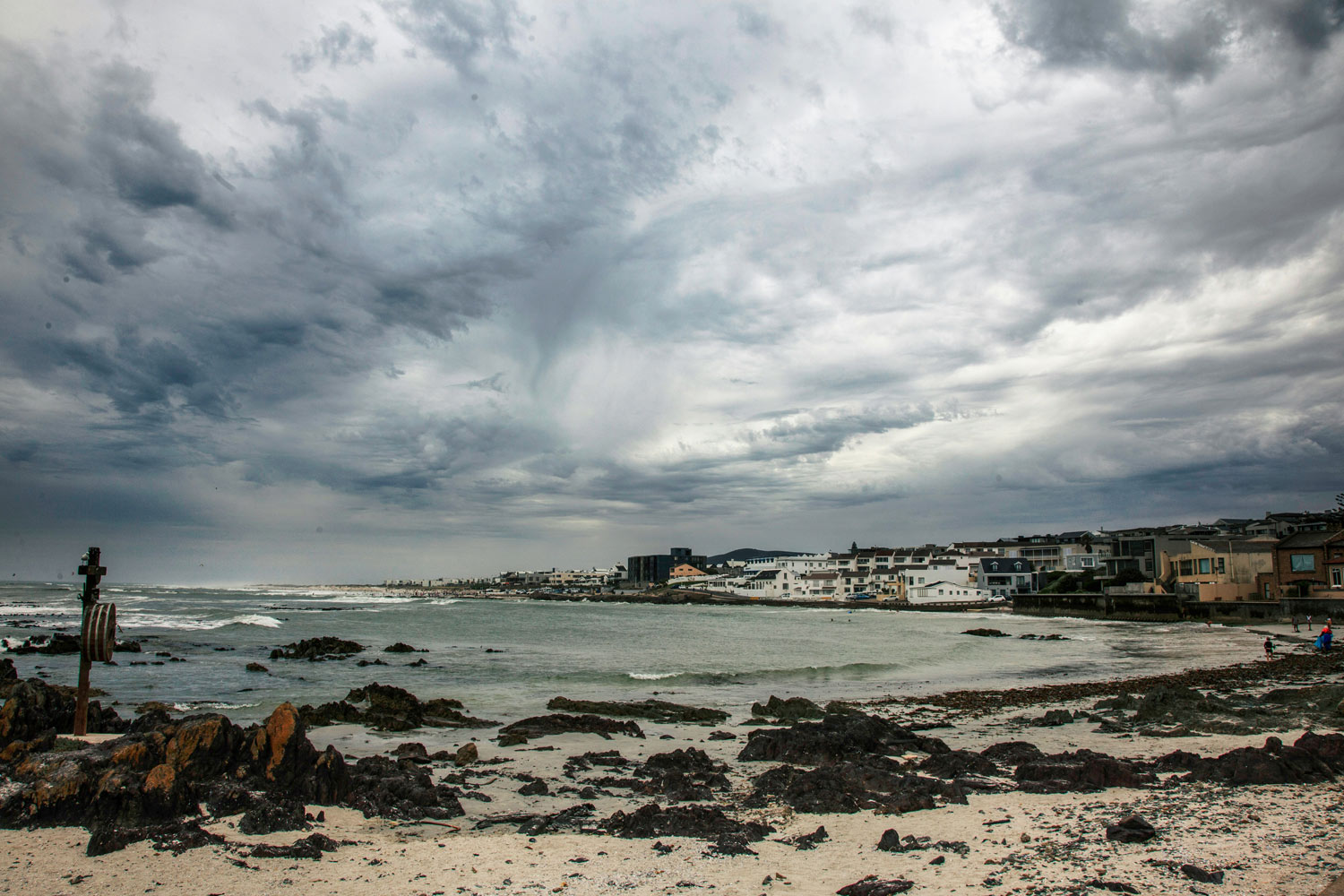
Signs You Should Wait Before Wallpapering
It’s better to postpone installation if you notice:
Wallpaper should always be the finishing touch—not a way of hiding underlying problems.
Our Advice
Cape Town’s winters don’t mean you should avoid wallpaper.
They simply mean it’s worth taking a little extra care before installation.
If your walls are dry, sound and properly prepared, quality wallpaper will reward you for many years.
If you’re uncertain, speak to your installer or contact us before placing your order.
We’d much rather help you choose the right wallpaper for your home than have you install it before the walls are ready.
Final Thought
Wallpaper performs best on healthy walls.
In Cape Town, winter isn’t something to fear – it’s simply a reminder that good preparation matters.
Take the time to make sure your walls are dry before decorating, and your wallpaper will have every opportunity to look as beautiful years from now as it does on the day it’s installed.
Read more on our Wallpaper Guide: